
Materials
The materials register.
Written in the terms the trade actually uses, because if you are comparing suppliers you need to know whether they mean the same thing you do. Twelve materials in three registers.
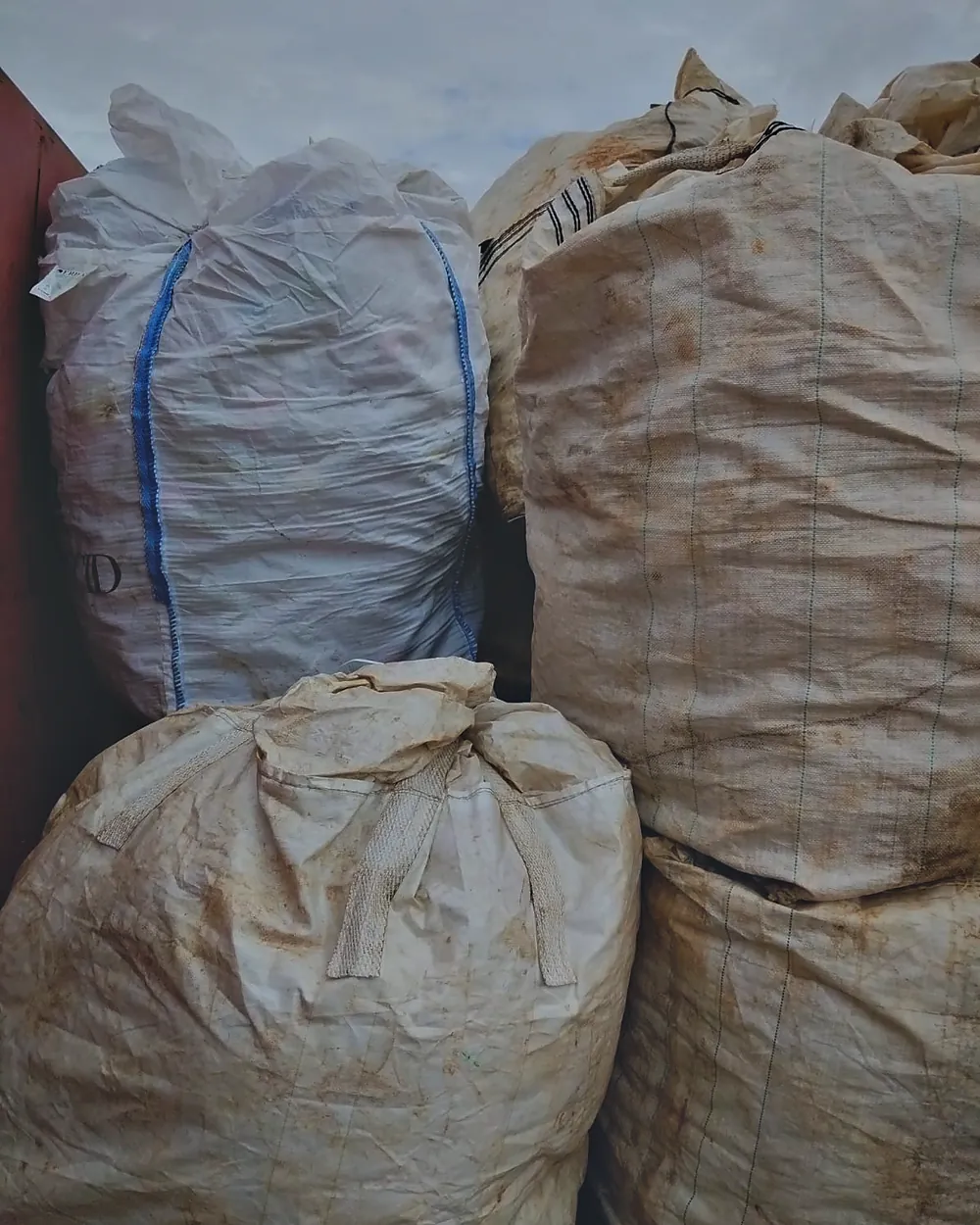
Paper and board
The largest stream on almost every site we look at, and the one most often lost because a bin room filled up on a Saturday.
Flatten it. An unflattened box is mostly air. Collapsed boxes hold several times the fibre in the same cage, which means fewer swaps and a better rate on identical material.
| Material | Code | Recovered as |
|---|---|---|
| Card boxes, corrugated | OCC | Baled and sold to mills |
| White paper | WP | Baled high-grade fibre |
| Mixed paper and board | MIX | Baled lower grade |
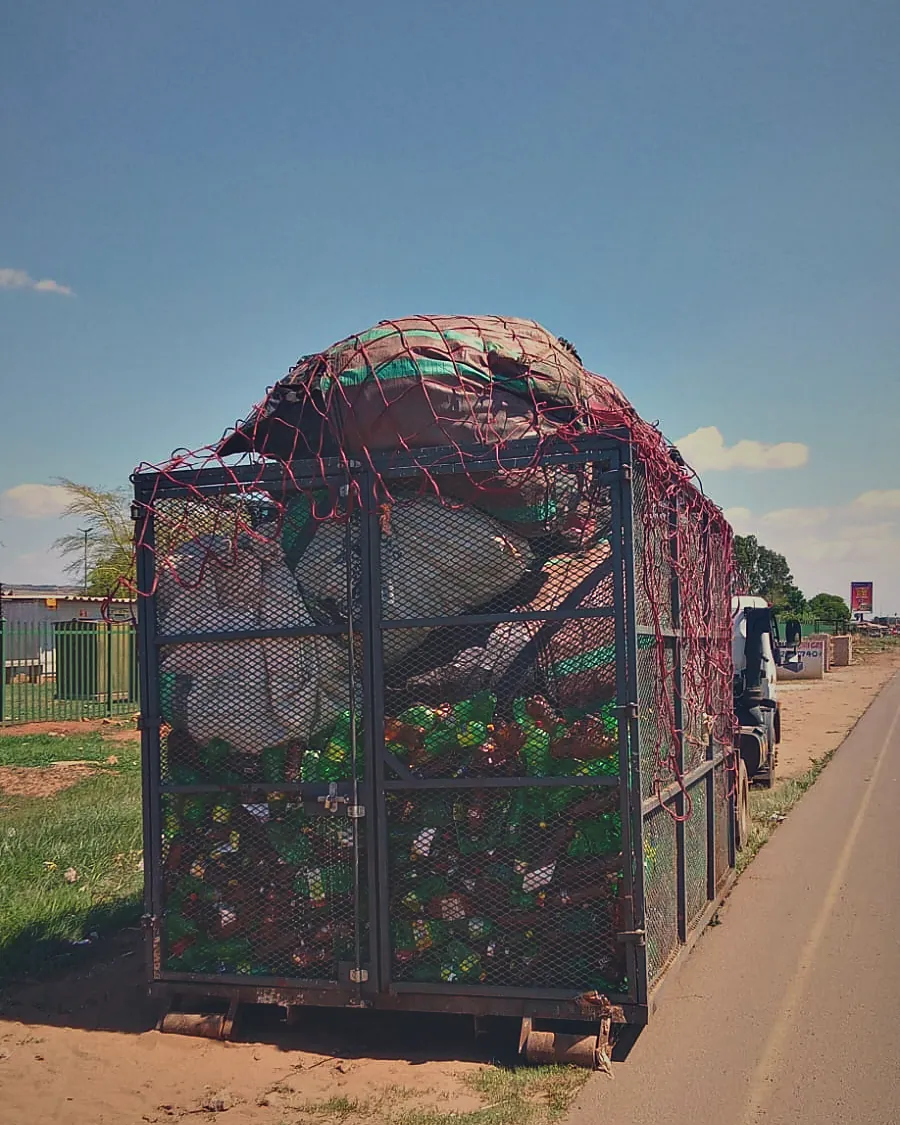
Graded by polymer
Polymer type decides the value, not colour. Mixed loads are still taken, they are simply worth less to everybody in the chain.
Keep clear film separate. Clear LDPE is worth noticeably more than mixed film, and once the two are pressed together they cannot practically be separated again.
| Material | Code | Recovered as |
|---|---|---|
| PET bottles, drink type | PET | Sorted clear and coloured |
| Clear plastics | CLR | Baled clear film and rigid |
| HD plastics, bottle type | HD | Baled HDPE |
| PP, containers and tubs | PP | Baled polypropylene |
| LDPE, clear and mixed | LDPE | Baled film, clear kept apart |
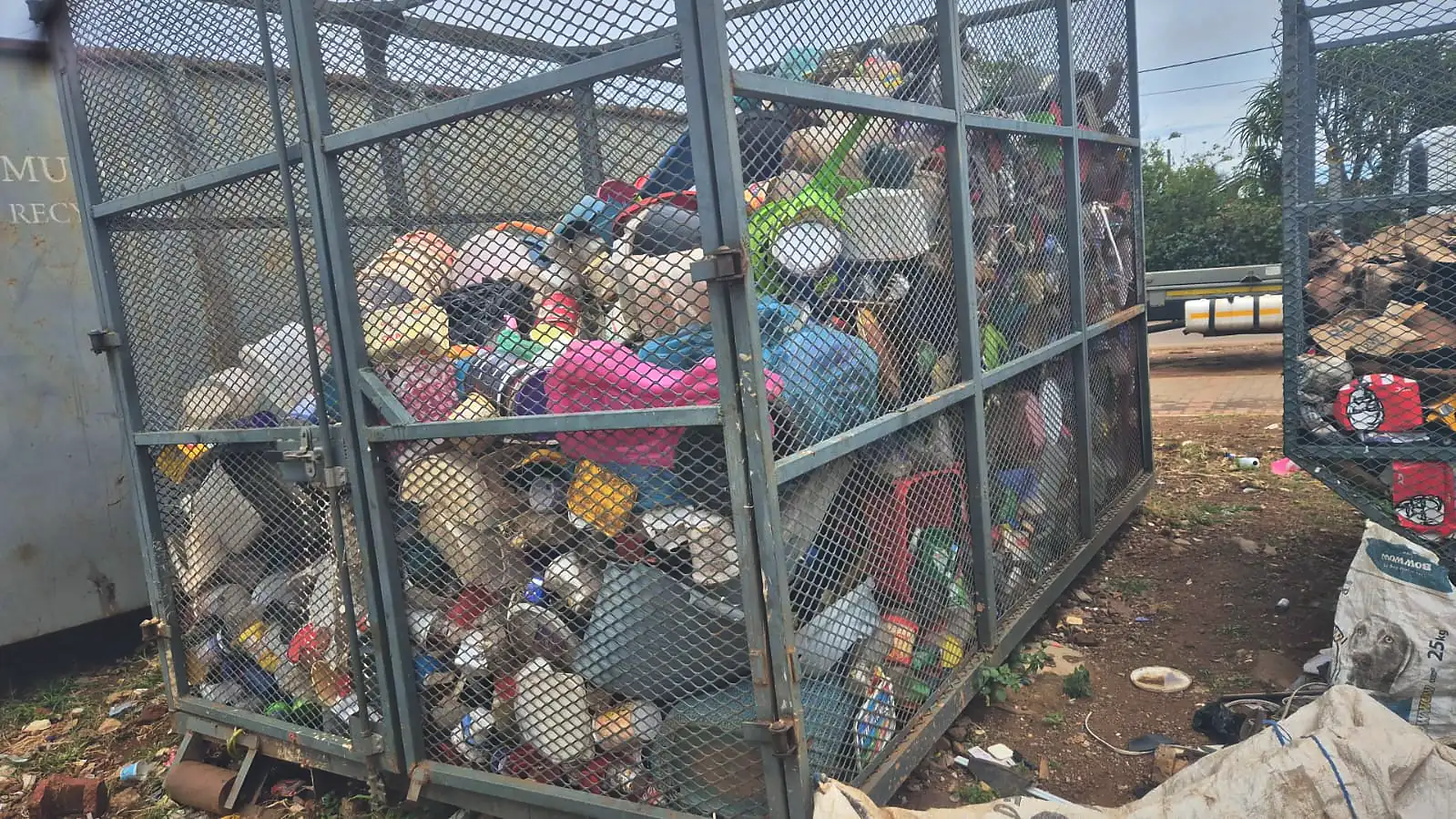
Heavy streams
Small volumes on most sites, real money on industrial ones. Metal is sold by mass, so it is the stream where accurate recording matters most.
Empty containers. Liquid downgrades everything it touches, and a single half-full bottle can spoil the fibre packed around it.
| Material | Code | Recovered as |
|---|---|---|
| Glass bottles, any colour | GL | Collected whole where possible |
| Steel, sub-grade | FE | Sold by mass to scrap |
| Aluminium | ALU | Separated from ferrous |
| Aluminium cans | UBC | Baled cans |
Presenting it so it holds its value
Three habits worth more than any equipment we could bring. None of them cost you anything.
Flatten the cardboard
An unflattened box is mostly air. A cage of collapsed boxes holds several times the fibre, which means fewer swaps and a better rate on the same material.
Keep liquid out
Wet fibre is downgraded or rejected outright. Half a soft drink in a box of paper can spoil the section around it. Empty containers before they go in.
Keep clear film separate
Clear LDPE is worth noticeably more than mixed film, and the two are almost impossible to separate once pressed together. One extra bag at source is all it takes.
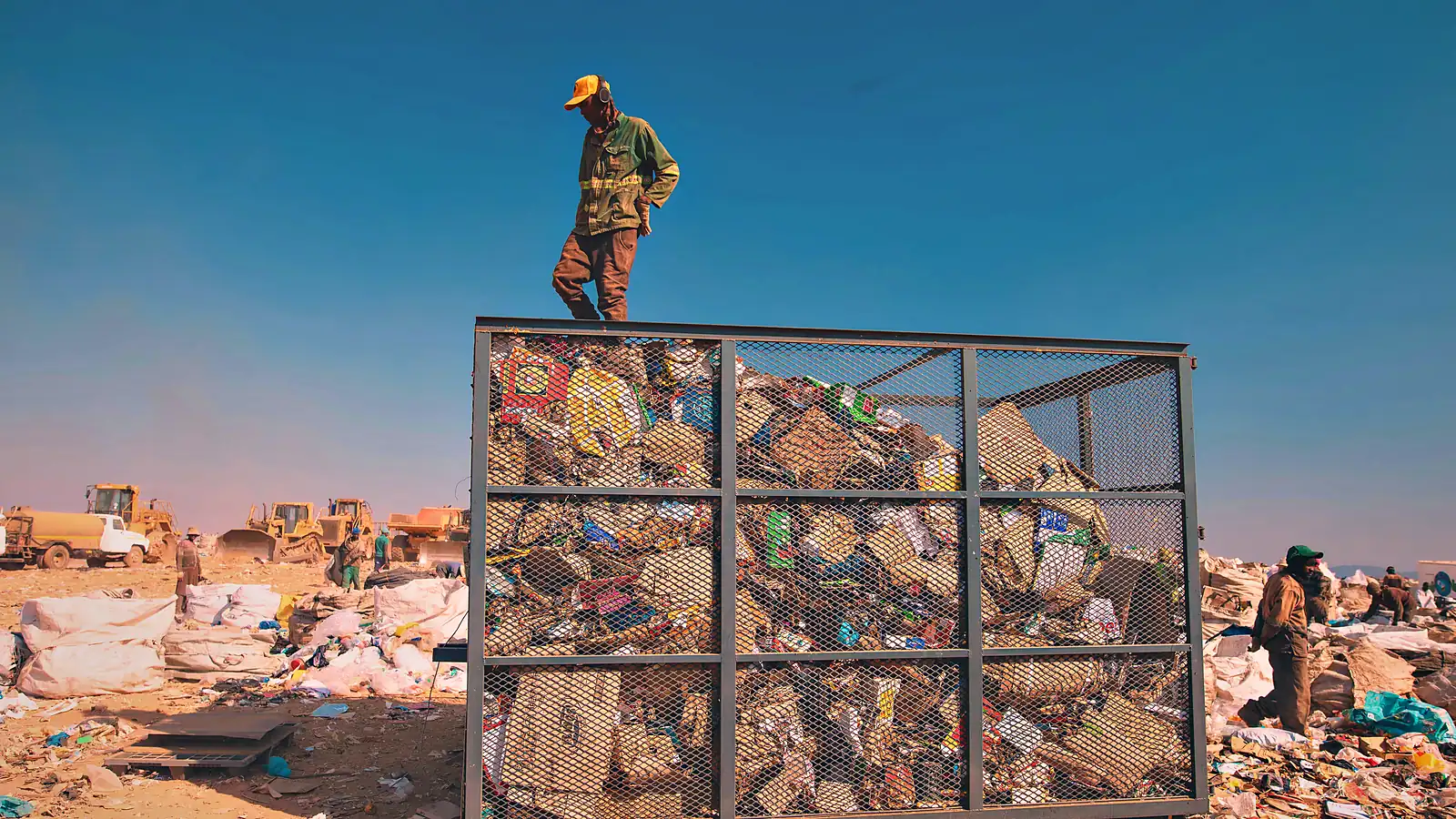
One cage, sorted
Fibre, film and rigid plastic, separated and pressed in. This is the register once it is filled in.
What we cannot take
Better you hear it here than at the loading bay. Food and organic waste. Medical or clinical waste. Hazardous chemicals, solvents, paint and oils. Asbestos or builders rubble. Electronic waste, batteries and fluorescent tubes, which need a licensed e-waste handler.
General waste
We do collect it, in a separate cage. Ask about it at the assessment so the two never end up in the same container.
Not sure which of these your site produces?
That is the normal starting point, and it is what the walk-through answers.